0
EMCCD Camera Solutions for all your needs
Andor offers a complete range of EMCCD cameras, spanning a wide envelop of performance attributes. Whether your application requires a high speed, ultimate EMCCD sensitivity, high resolution, or even a compact and light design, you can be confident that we can guide you towards the optimal solution.
iXon Ultra
Ultra-sensitivity across broad wavelength
range
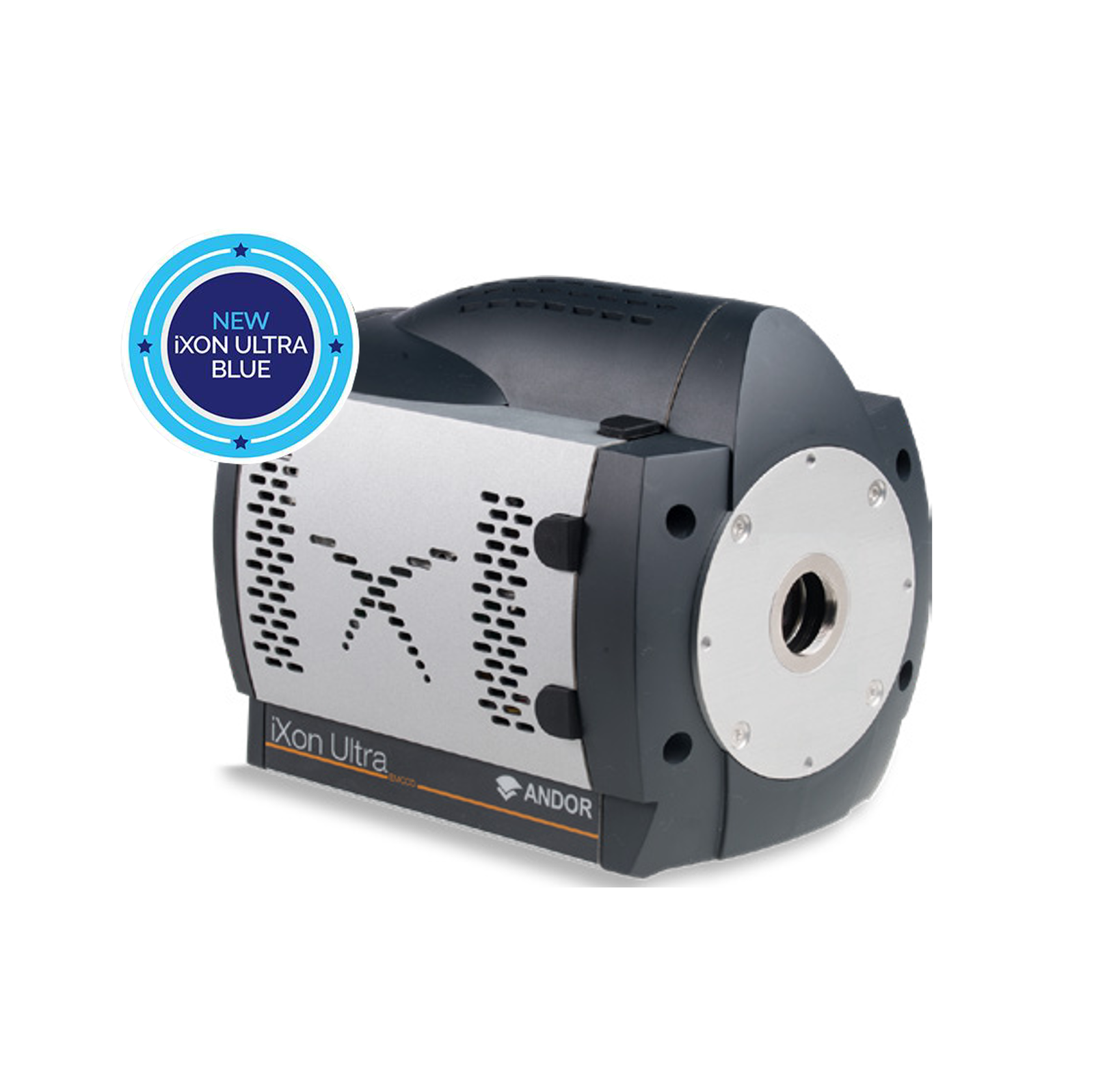
iXon Ultra Blue
Optimized for Blue/Ultra-Violet
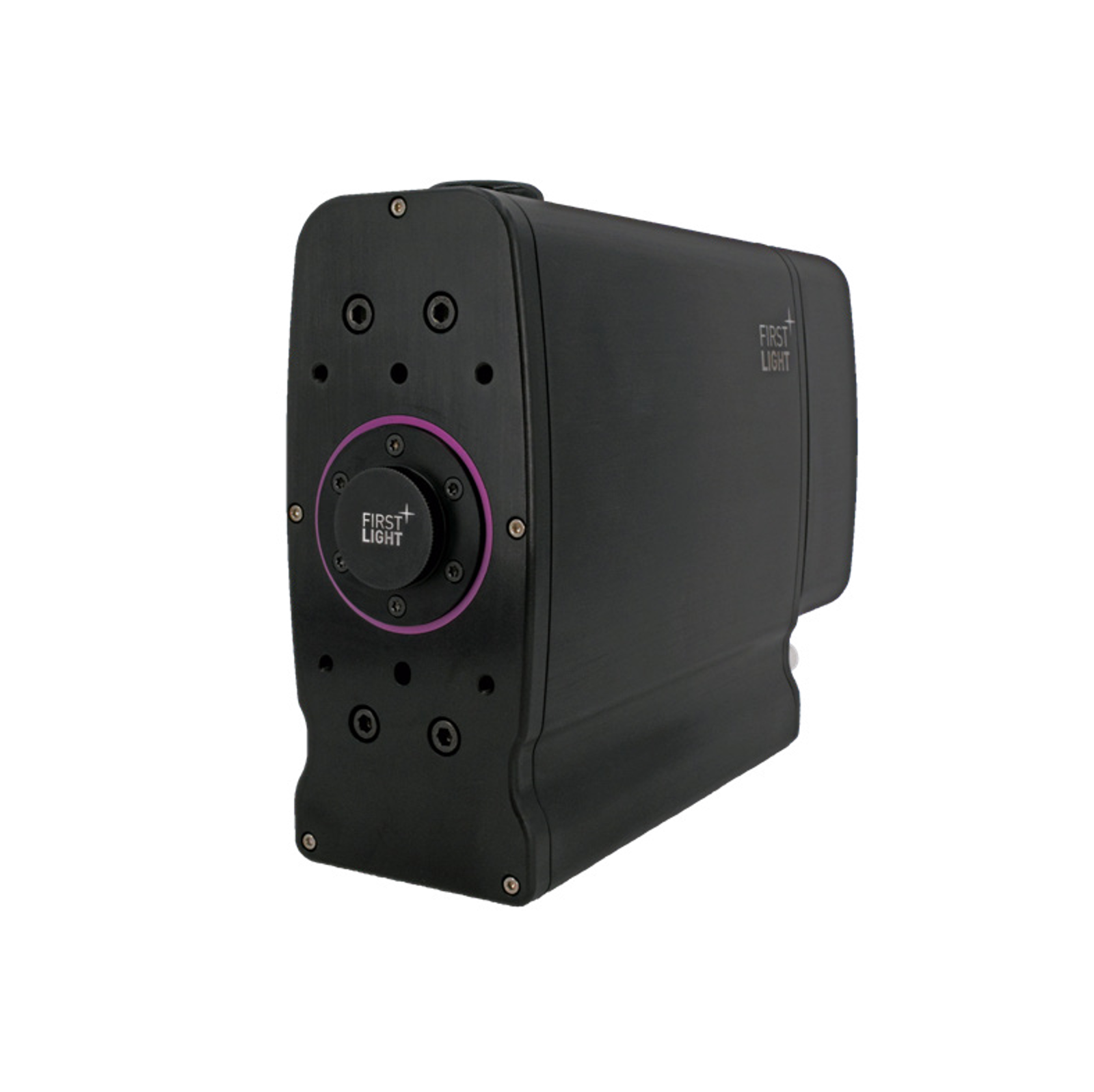
OCAM2K
High Speed, Ultra-sensitive: Ideal for Adaptive Optics
OCAM2S
High Speed, Ultra-sensitive, Fast Electronic Shutter
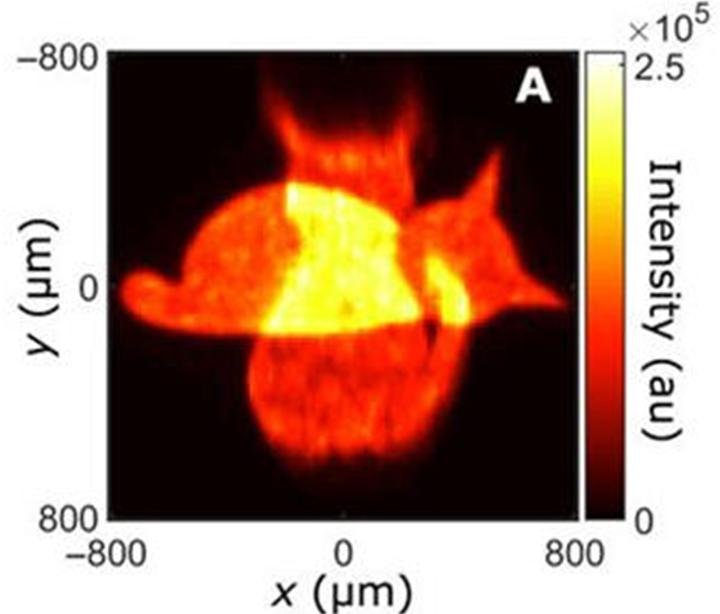
Imaging studies of quantum entangled photon systems require ultrasensitive array detectors that are capable of registering and counting single photon events and photon pairs with superb discrimination from background noise events. Experimental workflow is furthermore enhanced through the ability to image with a rapid frame rate, thus accelerating the rate of image construction through photon counting.
Andor strongly recommends the iXon Ultra back-illuminated EMCCD camera series for correlated biphoton imaging experiments, a well-established solution for high throughput, single photon detection. With deep vacuum cooling down to -100°C and minimized spurious noise sources, the iXon Ultra provides the single photon and photon pair discrimination required for successful, high throughout detection in these most demanding of photon starved experiments.
EMCCD Camera Applications
Quantum Entanglement
Imaging studies of quantum entangled photon systems require ultrasensitive array detectors that are capable of registering and counting single photon events and photon pairs with superb discrimination from background noise events. Experimental workflow is furthermore enhanced through the ability to image with a rapid frame rate, thus accelerating the rate of image construction through photon counting.
Andor strongly recommends the iXon Ultra back-illuminated EMCCD camera series for correlated biphoton imaging experiments, a well-established solution for high throughput, single photon detection. With deep vacuum cooling down to -100°C and minimized spurious noise sources, the iXon Ultra provides the single photon and photon pair discrimination required for successful, high throughout detection in these most demanding of photon starved experiments.
Trapped Ion Quantum Computing
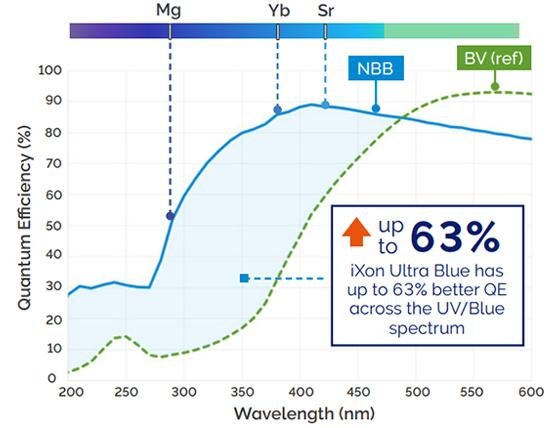
The iXon Ultra Blue is the world’s most sensitive detector of blue and near UV photons, combining single photon sensitivity with significantly enhanced QE across the 200 – 450nm range. As such it is ideally suited to imaging of ion trap quantum systems, especially for ions such as Ytterbium (370nm), Magnesium (285nm) or Strontium (422nm).
iXon Ultra Blue also delivers fast rapid imaging speeds, especially when using Crop mode to enormously boost sub-region (region of interest) frame rates. Furthermore, the platform also offers a Camera Link Output which can be harnessed to minimize data transfer latency, ideal for feedback loop experimental systems.
Wavefront Sensors (Adaptive Optics)
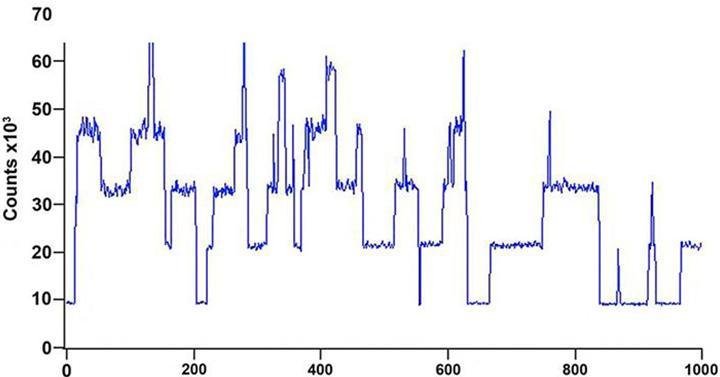
The OCAM camera series offers an ideal solution for high-speed light starved applications like wavefront sensing, achieving 2067 fps full frame readout of the 240 x 240 array of 24 μm pixels in its deep depleted and TE cooled EMCCD sensor. With sub-electron readout noise, ultra-low latency readout electronics, and a CameraLink data interface, OCAM reliably delivers sensitivity at speed. Through its rapid electronic shuttering capability the OCAM2S model is ready for optimized wavefront sensing and laser pulsed applications.
iXon EMCCDs are the wavefront sensing camera of choice in AO systems at observatories around the world. Owing to the large pixels, > 90% QE, and sub-electron read noise of the iXon Ultra, wavefront sensing can readily be realised at hundreds of fps with selectable sub-array readout of its sensor. The iXon Ultra's CameraLink data interface supports low latency (~500 μs) data transfer to wavefront analysis and AO control software.
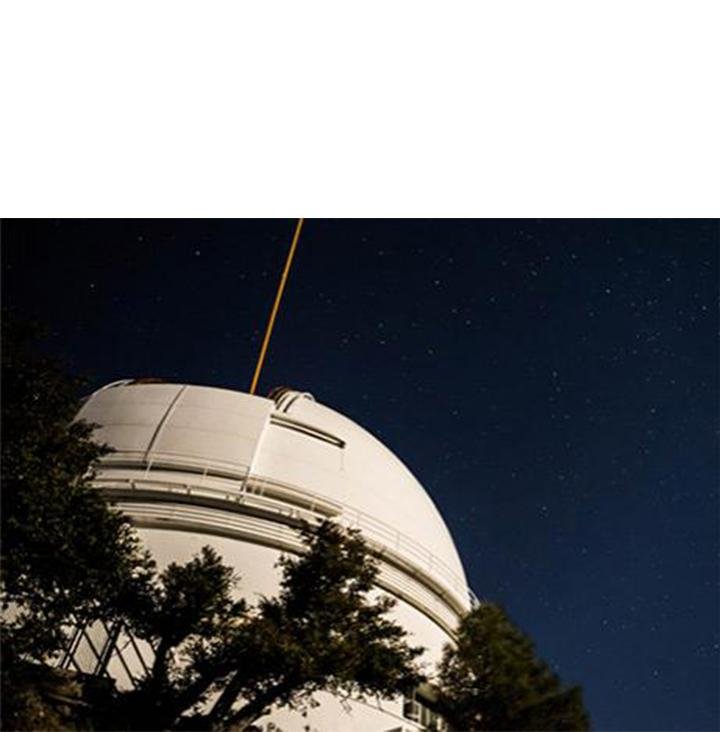
Speckle Imaging and High Speed Astronomy
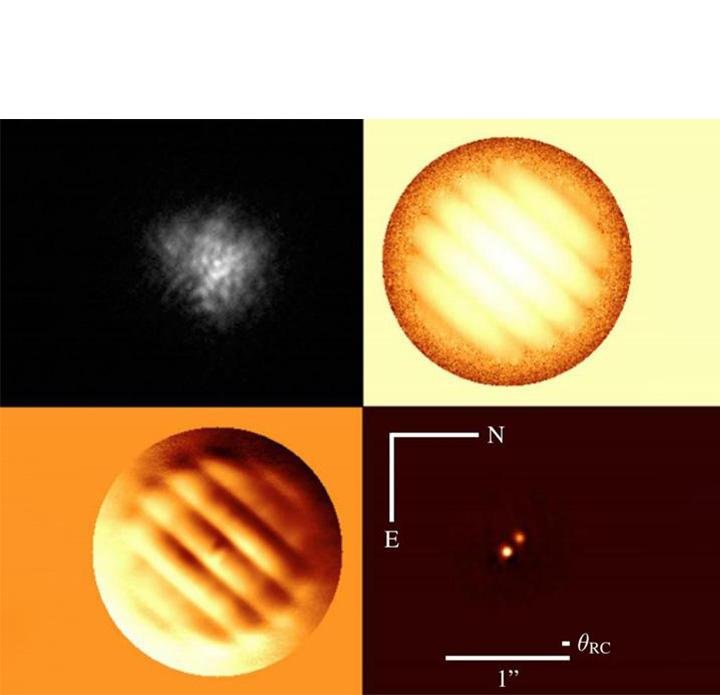
iXon EMCCDs are ideally suited to techniques which use large numbers of short exposure images to effectively freeze the variations caused by atmospheric turbulence. Shift and Add techniques such as Lucky Imaging, as well as Speckle Interferometry, can improve spatial resolution well beyond the practical limits set by atmospheric seeing and has proven very effective in resolving binary stars, for example.
Furthermore, fast and ultrasensitive detection is often required in high frequency time-domain astronomy. Rapid photometric or astrometric measurements are required in the study of a broad range of astrophysical systems including pulsars, eclipsing White Dwarf binaries, Fast Radio Bursts, and stellar occultation events. By offering > 90% QE across a broad spectral range, sub-electron readout noise, optional NIR fringe suppression, and extremely high frame rates, the iXon Ultra can be readily turned toward study of these and various other rapidly changing phenomena.
Guide Cameras
iXon EMCCDs have been employed as guide cameras in high profile observing projects worldwide, benefiting from the ability to take low noise images with shorter exposure durations. The iXon Ultra 888 has been selected as the guide camera on SOFIA, the Stratospheric Observatory for Infrared Astronomy (right). It has also been used to superb effect on the 2m-Alfred-Jensch-Telescope. In each of the above examples, the iXon camera performance has been so convincing that it has also been adapted for use as the primary science camera for visible observations.

Fast Hyperspectral Imaging
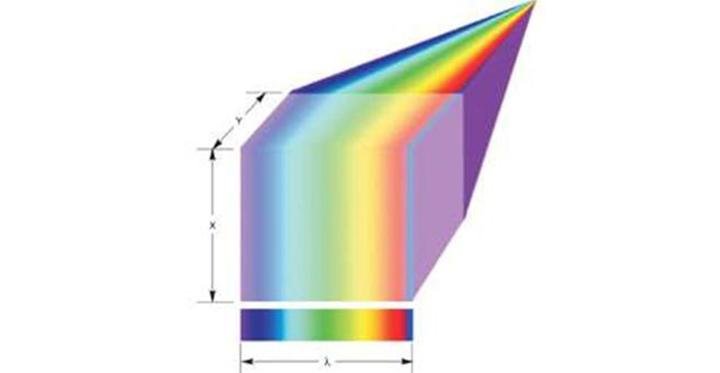
iXon EMCCD is an ideal detector for fast hyperspectral imaging, for example in combination with a liquid crystal tuneable filter for narrow wavelength filtering or a dispersive spectrograph for fast point by point mapping.
Such approaches typically involve a combination of short exposure times and weak signal (especially in the case of Raman scatter) and the fast readout, ultra-sensitivity of iXon Ultra is an ideal detector solution.
Ultimate Photon Counting EMCCD Solution
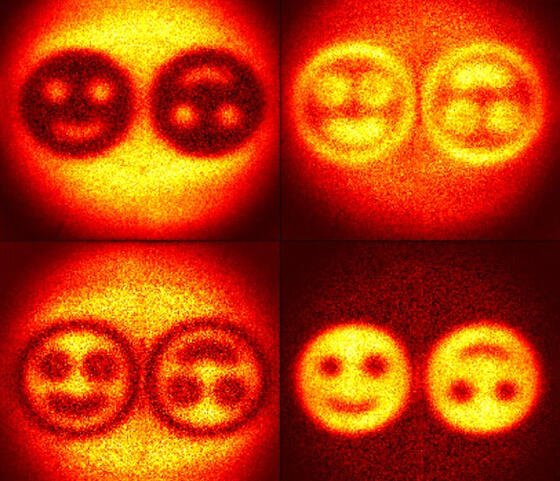
The single photon sensitive iXon Ultra EMCCD represents the best rapid imaging detector for knowing with a very high degree of certainty whether a photon has been detected in a pixel, especially critical for quantum entanglement experiments. Back-illuminated EMCCD remains the leading technology for determining one from zero.
- Detect > 90% of photon events – single photon sensitivity and > 90% QE
-Discriminate correlated photons – from -100°C cooling and minimized spurious noise events
-Arrays up to 1 megapixel – massively parallel detection of quantum correlations
-Fast Count Rates – up to hundreds of fps for accelerated measurement rates
-Biphoton detection – superb charge transfer efficiency for discrimination of photon pairs in adjacent pixels
‘2 in 1’ Flexibility
Both iXon Ultra models offer ‘2 in 1’ performance flexibility, operating either as a single photon EMCCD or a low noise conventional CCD, readily user-selectable through software. Such versatility is attractive in laboratories that can require the camera to operate in low light conditions under both fast and slow frame rate conditions. In photon starved applications, choosing the EMCCD amplifier usually yields better signal to noise ratio when under faster frame rates conditions (> 1 fps), whereas often the CCD amplifier can yield better signal to noise ratio when longer exposures can be applied and when the sensor can be read out slowly (i.e. ‘seconds per frame’ rather than ‘frames per second’).
However, in either EMCCD or CCD configuration, a special ‘Fast Kinetics’ capability can be accessed to collect bursts of data with microsecond time resolution. This can be useful in BEC experiments, for example, to measure time-of-flight rapid cloud dynamics immediately after the MOT is turned off.
Broad QE Range
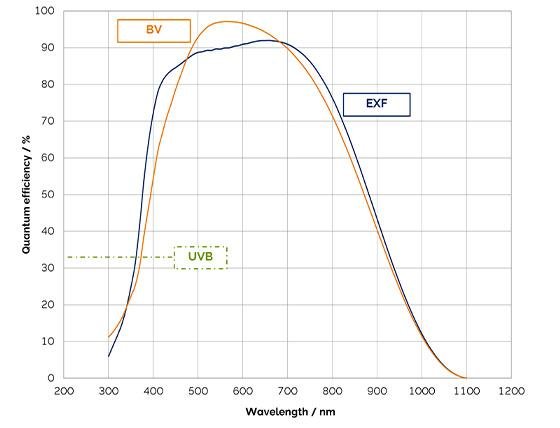
Reaching over 95% peak QE and offering broad wavelength coverage from UV through to NIR, iXon Ultra and iXon Ultra Blue spectral response is suited to a wide range of science; from NIR photometry of cold dwarf stars to single molecule biophysics to UV quantum imaging of trapped ions. Fringe suppression is also available for NIR imaging with reduced etaloning.
The NEW iXon Ultra Blue is the world’s most sensitive detector of blue and near UV photons, combining single photon sensitivity with significantly enhanced QE across the 200 – 450nm range. As such it is ideally suited to imaging of ion trap quantum systems, especially for ions such as Ytterbium (370nm), Magnesium (285nm) or Strontium (422nm).